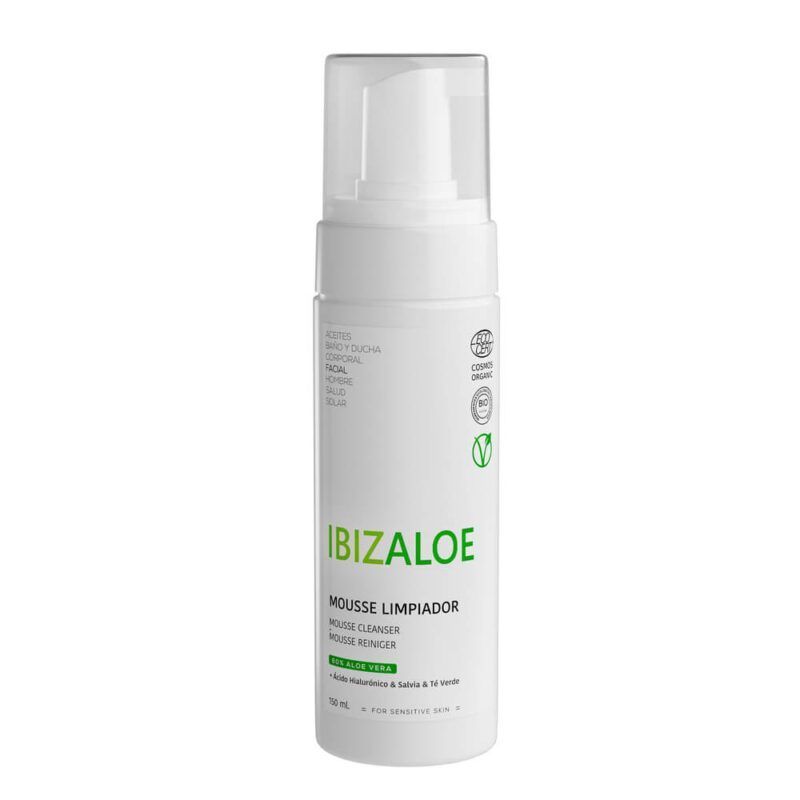
Natural cosmetics have ceased to be a niche product and have become a driver of innovation that spans the entire value chain, from the cultivation of raw materials to the bathing experience. The rise of clean beauty has pushed brands and laboratories to rethink how they formulate, communicate, and verify the effectiveness of their products. At the same time, sustainability (environmental and social) and sensoriality (textures, scents, rituals) have gone from being "extras" to differentiating factors for purchase and loyalty. The result: a new paradigm that demands cosmetics that are not only effective, but also responsible and desirable.
The rise of natural cosmetics: from trend to market standard
Consumers associate "natural" with safety, transparency, and reduced impact. But the qualitative leap occurs when natural is no longer measured by "absences" and is defined by what it provides: standardized botanical actives, applied biotechnology (ferments, postbiotics), responsibly sourced oils and butters, and traceable extracts. Certifications such as COSMOS or Ecocert and fair trade seals have helped organize the conversation, but leadership is no longer just about labels; it's about evidence. The brands that succeed are those that combine natural matrices with efficacy testing (in vitro, instrumental, usage panels) and honest communication.
This growth is also due to a more informed consumer, who reviews the INCI, compares claims, and rewards those who explain the "why" behind each ingredient: what it does, at what concentration it works, and where it comes from. Natural cosmetics in 2025 is not a bucolic promise; it's green technology with metrics.
Clean beauty: from “exclusion lists” to science-based transparency
El clean beauty It began with "free from" lists, useful for starting a conversation, but insufficient for building long-term trust. The current trend is toward clear formulation policies (what is prioritized and why), risk/benefit assessment, and open data: irritation testing, biodegradability, origin, and carbon footprint. Instead of demonizing entire categories, leading brands explain criteria: ingredient purity, impurity limits, safer alternatives, and equivalent performance.
This transition has driven three practices:
- Minimalist formulations: fewer excipients, active ingredients selected for synergy and effective concentration, reduction of allergens and complex perfumes when they do not provide functional value.
- Smart substitutions: Broad-spectrum preservatives compatible with “clean policies”, green solvents and biodegradable emulsifiers.
- Clear disclosure: why a specific polyacrylate or chelator is used, what role it plays, and how its impact is mitigated.
Sustainability that is formulated: from the field to the packaging
Sustainability is no longer limited to recyclable packaging. It is "formulated" from the brief:
- Origin and traceability: raw materials from regenerative agriculture, low water consumption crops, supplier of ingredients for cosmetics with decent policies and biodiversity, such as Quimvita.
- Green chemistry and biotechnology: fermentations that generate active ingredients with less waste, low-energy enzymatic processes, upcycling of by-products (grape seeds, citrus peels, coffee grounds) that are transformed into gentle exfoliants or antioxidants.
- Packaging eco-design: monomaterials to facilitate recycling, PCR (post-consumer recycled plastic), lightweight glass, refills and concentrated or solid formats (waterless) that reduce the transport footprint and need for preservatives.
- Life cycle assessment (LCA): Measure impact to prioritize changes with greater real effect — sometimes reformulating reduces CO₂ more than changing just the cap.
This approach not only reduces impacts, but also optimizes costs and simplifies inventories, especially when adopting modular bases that allow for the creation of complete ranges with fewer SKUs.
Sensuality: the bridge between efficacy and desire
If effectiveness convinces in the long term, sensoriality generates immediate adoption. In a saturated market, experience is the differentiator:
- Transformative textures: balms that melt, gels that turn into milk upon contact with water, light serums with a pleasant “slip” without a sticky residue.
- Aromas with purpose: Natural or hybrid fragrances carefully dosed to minimize allergens, notes that accompany the moment of use (energizing citrus in the morning, calming herbal notes at night) and consistency with the origin of the main active ingredient.
- Rituals and formats: sticks, solid bars, activatable powders, single-dose ampoules; it's not a whim, it's about usability and dose control.
- Everyday neurocosmetics: ingredients and sensoriality that promote the perception of well-being (“comfort” textures, soft aromas, responsible claims about mood).
The key: sophisticated experiences without sacrificing biodegradability, stability, or safety. This requires refined formulation, compatibility testing, and consumer testing that quantifies tactile (smoothness, absorption), audible (snap of the container), and visual (gloss/matte) parameters.
How it translates into R&D and product development
To turn these macro trends into successful launches, the formulation and marketing team can rely on these practical axes:
- Brief with metrics: Define effectiveness objectives from the outset (TEWL reduction, elasticity improvement, immediate shine), naturalness thresholds (depending on the chosen standard), and impact KPIs (CO₂ per unit, % PCR, % water saved).
- Responsible Ingredients LibraryTechnical data sheets with origin, process, purity, allergenicity, effective dose, stability, and comparison of alternatives. Prioritize standardized botanical and biotechnological active ingredients and revalued byproducts.
- Modular architecture: versatile “clean” bases (biodegradable O/W emulsions, anhydrous gels, solid bars) where active ingredients are “plugged in” to customize by channel or season without reformulating from scratch.
- Tests at 3 levels: (a) laboratory (stability, microbial challenge), (b) instrumental and light clinical (corneometry, sebum, photography), (c) use and sensoriality with a blinded panel. All three report adjustments and the claims narrative.
- Holistic ecodesign: Choose the most efficient format (solid, refill, concentrate) before discussing materials. Evaluate logistical feasibility and consumer education.
- Communicative transparency: INCI explained in understandable language, measurable claims, QR codes with traceability, and FAQs that address frequently asked questions without alarmism.
- Regulatory and reputational compliance: align policies clean with regulations and expectations of distributors and marketplaces. Consistency prevents crises.
What ingredients are leading this revolution?
- Ferments and postbiotics that reinforce the skin barrier and tolerance, with good stability in aqueous and anhydrous bases.
- Upcycling antioxidants (grape, citrus, coffee polyphenols) with powerful origin stories and real-world performance.
- “Botanical” alternatives to retinoids (standardized bakuchiol, extracts with retinoid-like profile) combined with niacinamide or peptides for visible results and better tolerance.
- Algae and cyanobacteria with moisturizing, anti-pollution and biodegradable film-forming properties.
- Emulsifiers and green polymers high sensoriality, which allow silky textures without persistent microplastics.
The convergence between natural cosmetics, clean beauty, sustainability, and sensoriality are raising the bar for product development. Brands that integrate science, transparency, and sensorial design from the brief achieve more than just "pretty formulas": they build trust, retention, and real differentiation on the shelf and in the feed. The path doesn't lie in underpromising, but in measuring better, explaining better, and formulating with purpose. In this equation, cosmetic ingredients—their origin, their performance, and the experience they enable—are, literally, the protagonists of the revolution.